
Battery recycling
We process lead-acid, lithium-ion, NiMH and industrial batteries, collected from your site anywhere in India. Valuable materials such as lithium and cobalt are extracted safely and returned to use.
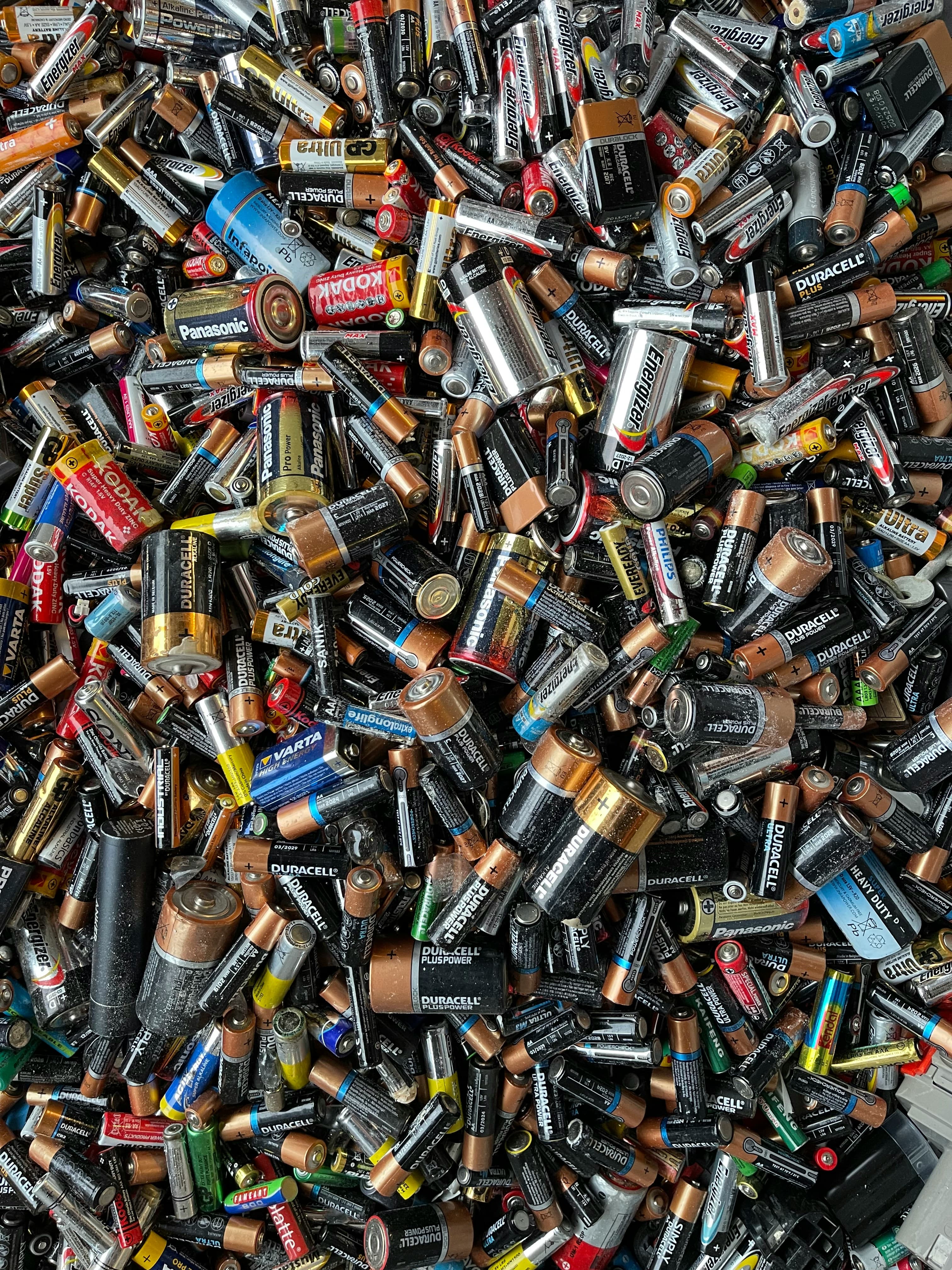
What we accept
Black mass is the dark powder left after lithium-ion cells are shredded. It holds the lithium, cobalt, nickel and manganese that refiners recover.
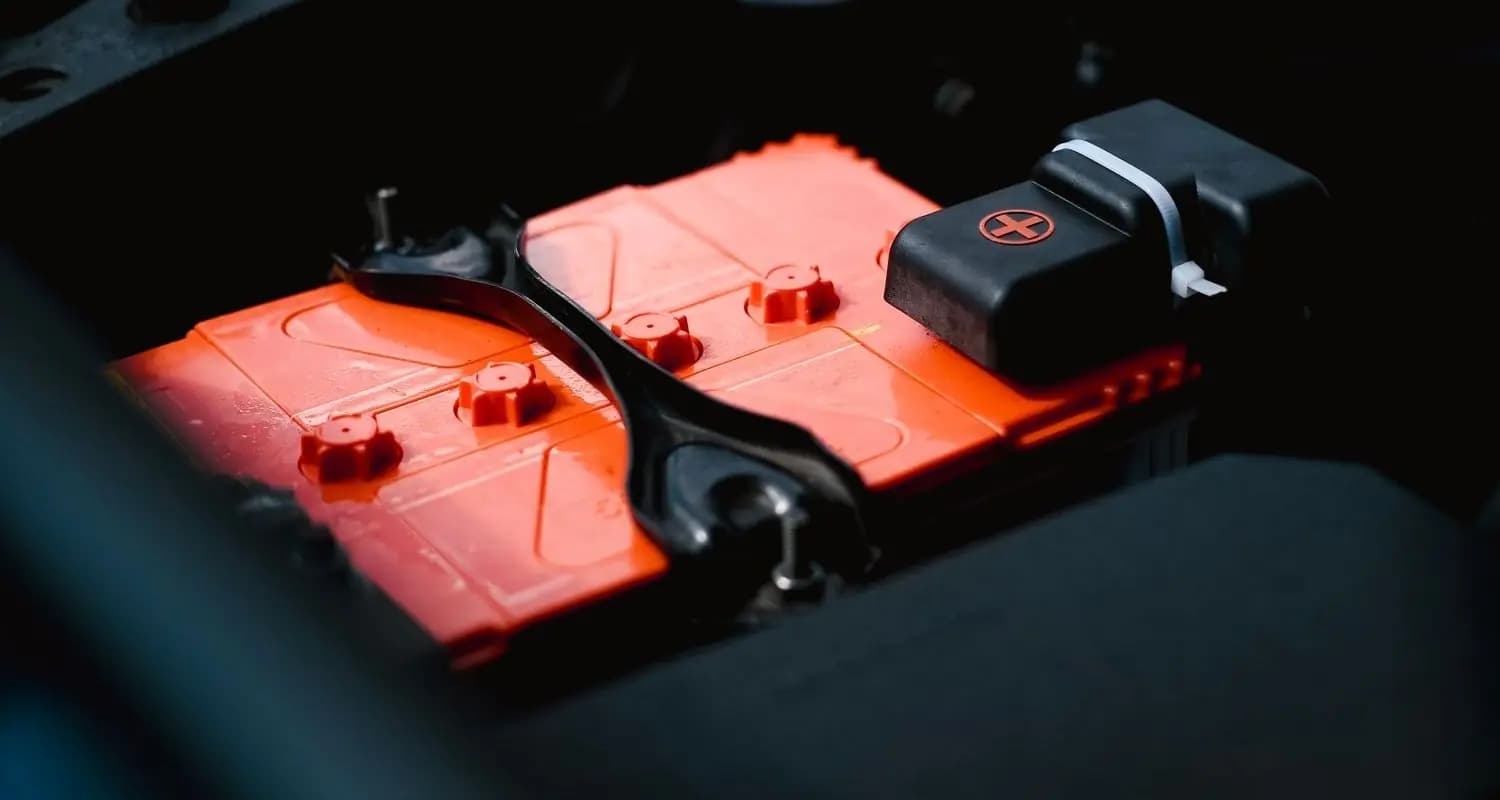
Lead-acid batteries
Vehicle, inverter and UPS batteries
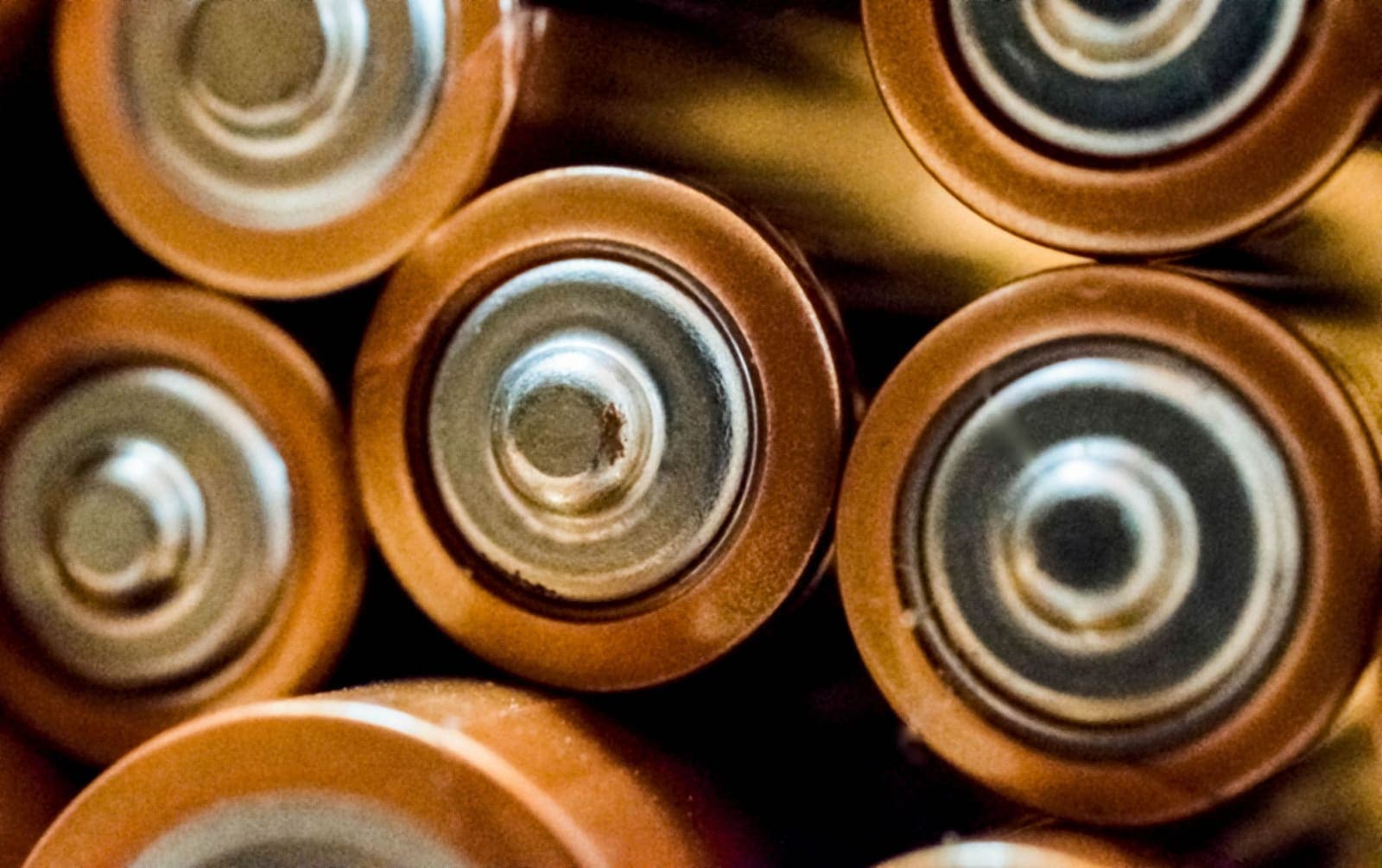
Lithium-ion batteries
Cells, packs and modules from devices, tools and vehicles
- NiMH batteriesRechargeable cells and packs
- Industrial batteriesStationary and traction batteries from plants and sites
How we process it
Collection
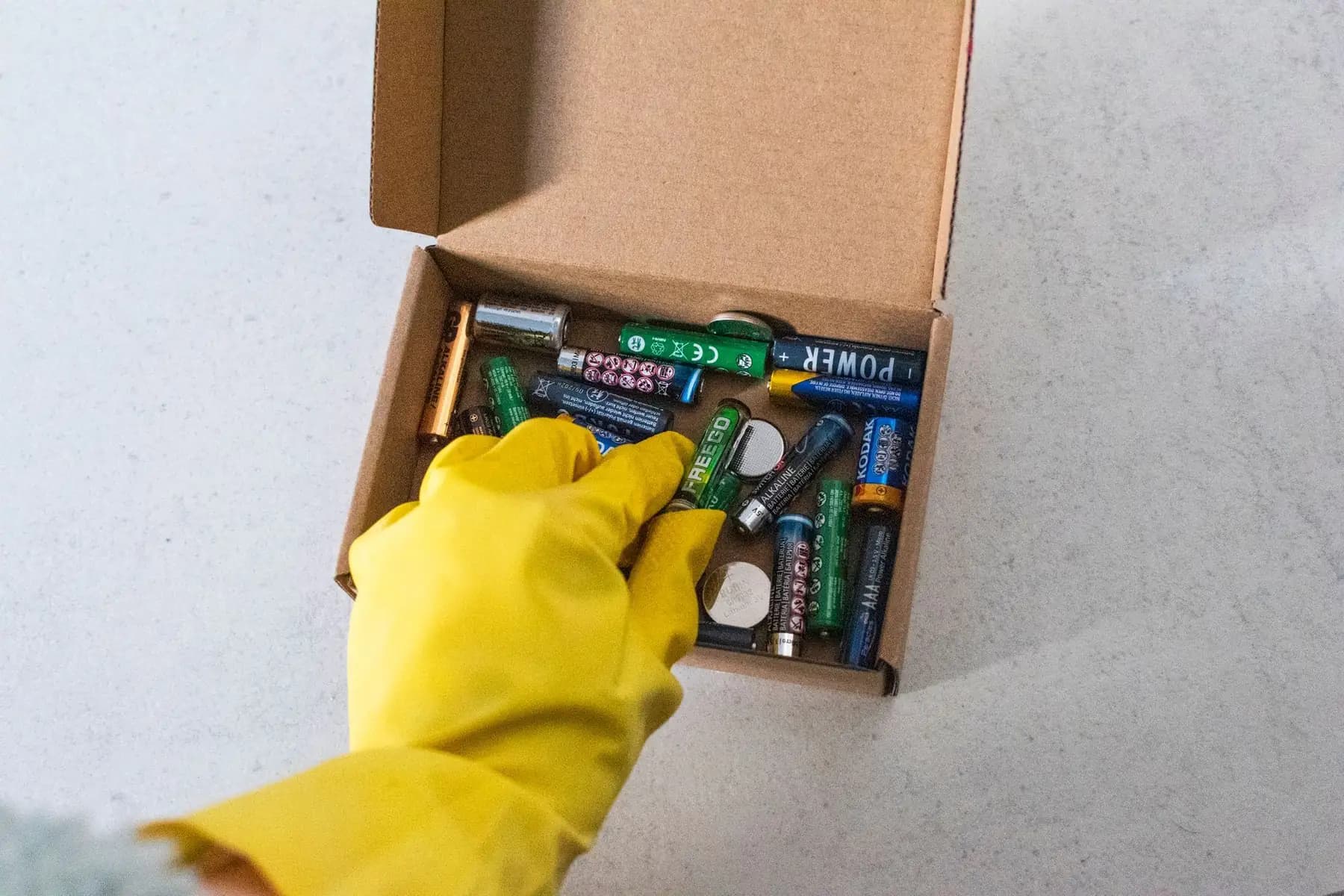
Batteries are packed and collected from your site.
Discharge and safe storage
Batteries are discharged and stored apart by chemistry.
Dismantling
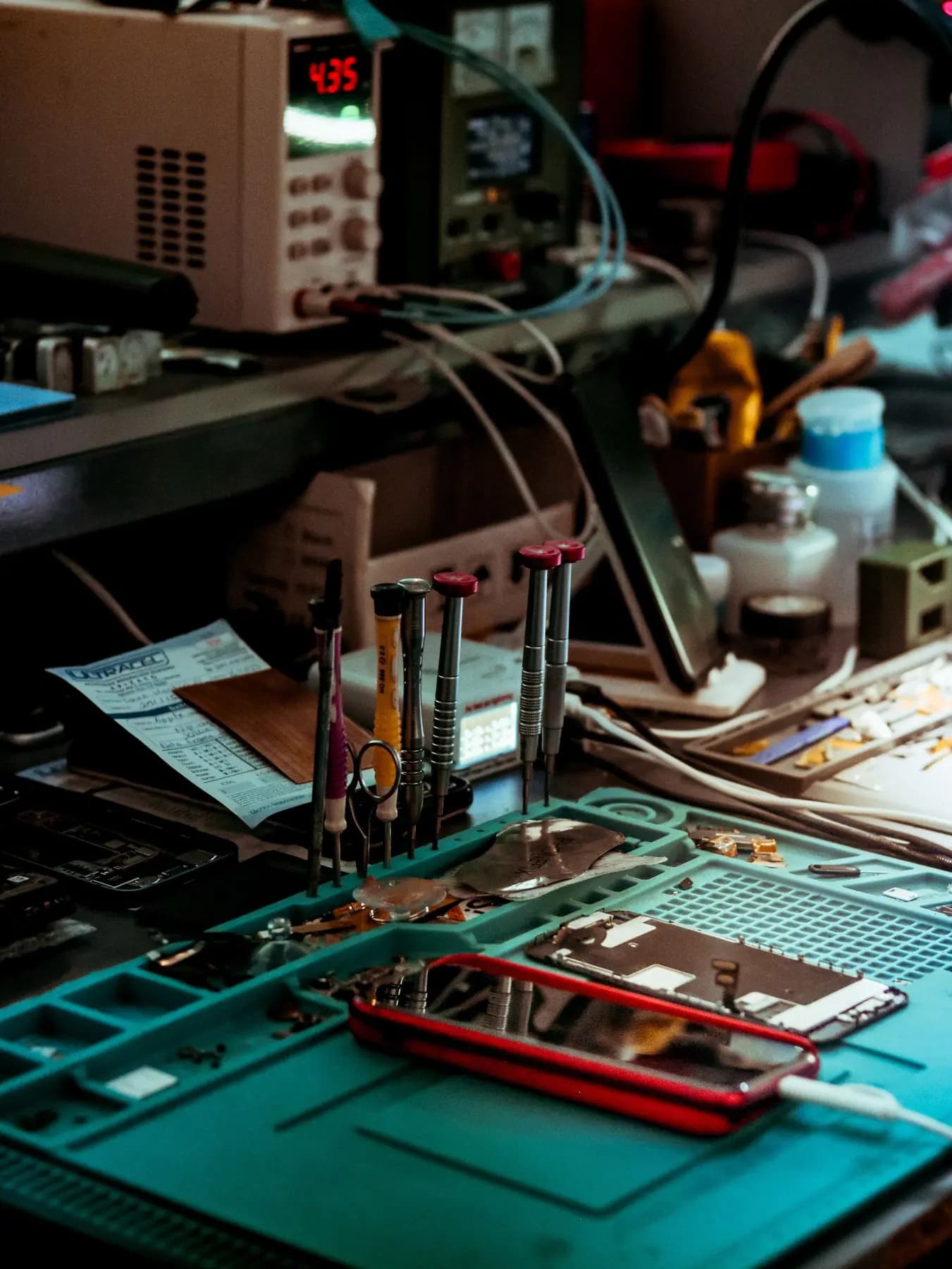
Packs and devices are opened and the cells removed.
Black mass and lead recovery
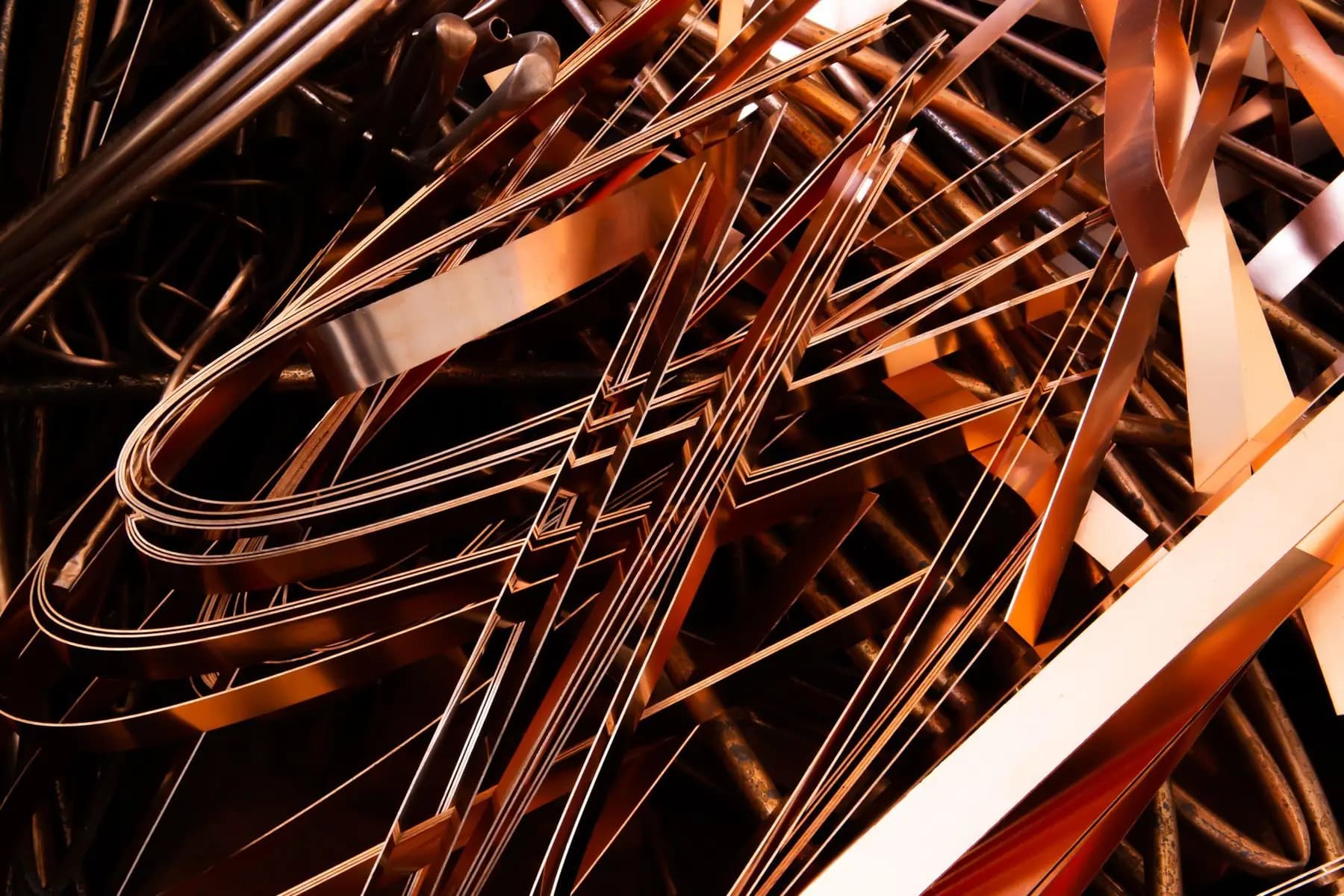
Lithium-ion cells give black mass; lead-acid batteries give lead.
What you receive
- A recycling certificate with the weight and a material breakdown
- A disposal compliance report, ready for audits and CSR or ESG reporting
- EPR obligation and CPCB compliance support, with digital documentation
Questions
How do I recycle lithium-ion batteries in Uttar Pradesh?
Hand them to an authorised recycler. Request a pickup from Evergreen with the battery type, the approximate quantity and the location. We collect them, process them at our plant in Sitapur, Uttar Pradesh, and give you a recycling certificate. Keep damaged or swollen cells apart and tell us about them.
What is your battery processing capacity?
Our annual processing capacity for batteries is 10,800 metric tonnes. This is what the Sitapur plant can process in a year, not a record of what has been recycled.
Do you accept lead-acid batteries?
Yes. We accept lead-acid batteries from vehicles, inverters and UPS systems, as well as lithium-ion, NiMH and industrial batteries. Tell us the type and the quantity when you request a pickup.
Who has to send waste batteries to a registered recycler?
The Battery Waste Management Rules, 2022 require waste batteries to be sent to registered recyclers or refurbishers, so that hazardous material is handled safely and useful material is recovered. Landfill and incineration of waste batteries are not allowed.
Do you pick up batteries outside Uttar Pradesh?
Yes. We pick up from client locations anywhere in India and process the batteries at our plant in Sitapur, Uttar Pradesh. Tell us the battery type, the quantity and whether any cells are damaged.